
LR-PES-130 delivers strong and reliable bonds for composite packaging. KangDa offers this hot melt adhesive to meet the needs of many industries. The adhesive works on fibers, fabrics, leather, paper, wood, and plastics. Its eco-friendly and solvent-free formula helps manufacturers reduce pollution. Fast curing speeds up production and improves efficiency. Many choose LR-PES-130 for its performance and flexibility.
Key Features of LR-PES-130 Hot Melt Adhesive
Versatile Bonding for Multiple Materials
LR-PES-130 stands out as a hot melt adhesive because it can bond many types of materials used in composite packaging. This pes adhesive works well with fibers, fabrics, leather, paper, wood, and plastics. It is especially useful for packaging that combines several layers or materials. The hot melt adhesive film form makes it easy to apply in different production settings. When working with plastics, pre-treatment helps improve bonding strength. The table below shows the bonding capability of LR-PES-130 for common materials:
| Material Type | Bonding Capability |
|---|---|
| Fibers | Yes |
| Fabrics | Yes |
| Leather | Yes |
| Paper | Yes |
| Wood | Yes |
| Plastics | Yes (with pre-treatment) |
This flexible adhesive supports many packaging designs. It also meets the needs of industries that require strong and reliable bonds between different surfaces.
Wide Temperature and Solvent Resistance
LR-PES-130 hot melt adhesive performs well in a wide range of temperatures. It remains stable from -20°C up to 105°C. This makes it suitable for packaging that faces cold storage or high heat during transport. The pes adhesive also resists many solvents and chemicals. This resistance protects the bond from damage caused by exposure to oils, coatings, or cleaning agents. The hot melt adhesive film keeps its strength even when exposed to harsh environments. This feature is important for packaging that must protect its contents under different conditions.
Note: The strong chemical and solvent resistance of LR-PES-130 helps maintain package integrity and product safety.
Eco-Friendly and Solvent-Free
Many manufacturers now look for adhesives that are safe for the environment. LR-PES-130 is a 100% solid, solvent-free pes adhesive. It does not release harmful fumes or pollutants during use. This hot melt adhesive supports eco-friendly production and helps companies meet modern sustainability goals. The hot melt adhesive film form also reduces waste and makes handling safer for workers. Using this adhesive means less impact on the environment and a cleaner workplace.
Fast Curing and Production Efficiency
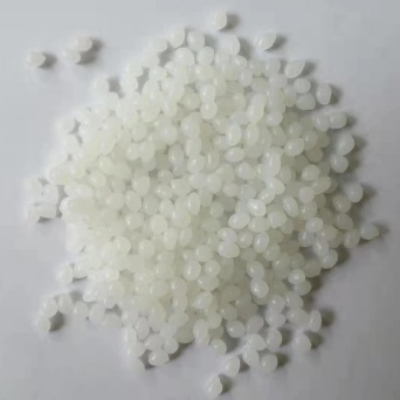
Production speed is important in the packaging industry. LR-PES-130 hot melt adhesive cures quickly, which means it forms a strong bond in less time. This fast curing process helps factories increase output and reduce waiting times. The pes adhesive is available in flexible forms such as film, particle, and powder. This allows manufacturers to choose the best option for their process. The hot melt adhesive film is especially useful for automated lines, where speed and consistency matter. Fast curing also means less energy use and lower costs.
·LR-PES-130 improves production efficiency.
·The flexible forms of this adhesive fit many types of equipment.
·Quick bonding reduces downtime and boosts overall performance.
Applications of PES Hot Melt Adhesive Film
Composite Packaging Industry Uses
Manufacturers in the composite packaging industry rely on pes hot melt adhesive film for its strong bonding and reliable performance. This adhesive works with fibers, fabrics, plastics, paper, and wood. It creates secure seals in packaging that must protect products during shipping and storage. The hot melt adhesive film offers a clean application process, which helps keep production areas safe and organized. Its flexible nature allows it to fit many packaging designs, from food containers to medical device wraps.
The table below compares the performance of pes hot melt adhesive film with other adhesives in composite packaging:
| Feature | PES Hot Melt Adhesive Film | Other Adhesives |
|---|---|---|
| Bonding Strength | High | Varies |
| Temperature Resistance | Excellent | Limited |
| Chemical Resistance | High | Varies |
| Application Process | Clean | Often messy |
| Versatility | High (multiple substrates) | Limited |
| Environmental Impact | Low (solvent-free) | Higher emissions |
This adhesive stands out for its high bonding strength, excellent temperature and chemical resistance, and low environmental impact. These features make it a top choice for composite packaging.
Other Industrial Applications
The applications of pes hot melt adhesive film extend beyond packaging. Many industries benefit from its flexible and durable properties. In the textile industry, this adhesive resists washing and dry cleaning, making it ideal for laminating fabrics and bonding patches. Electronics manufacturers use pes hot melt adhesive film to bond metals and ceramics, which withstand heat during production. Automotive companies value its lightweight and robust nature for bonding components and attaching interior panels. Aerospace engineers choose this adhesive for parts exposed to changing temperatures and mechanical stress. Medical device makers use it to create sterile packaging systems.
·Textile industry: Bonds upper materials, midsoles, and decorative elements in shoes. Maintains flexibility and durability.
·Automotive sector: Used in headliners, door panels, and seat covers. Offers thermal stability for different climates.
·Electronics: Bonds metals and ceramics. Handles heat exposure during manufacturing.
·Aerospace: Suitable for components under fluctuating temperatures and mechanical stresses.
·Medical: Important for sterile packaging systems.
The versatility of pes hot melt adhesive film simplifies complex processes, enhances precision, and minimizes waste. Its flexible forms, such as film, particle, and powder, allow manufacturers to choose the best option for their needs. The adhesive also works well with coatings, providing extra protection and durability in many applications.
Tip: Choosing pes hot melt adhesive film can improve production efficiency and product quality across multiple industries.
Comparing LR-PES-130 with Other Adhesives
Hot Melt Adhesive vs. Solvent-Based Adhesive
Hot melt adhesive offers many advantages over other adhesive types. Solvent-based adhesives often release fumes and require long drying times. Hot melt adhesive film does not need solvents, so it creates a safer workspace. The pes adhesive bonds quickly and forms strong seals. This fast process improves production speed and reduces energy use. Solvent-based adhesives can damage sensitive materials, but pes hot melt adhesive film protects fibers, fabrics, and coatings. The flexible nature of hot melt adhesive allows it to fit many packaging designs. Manufacturers prefer hot melt adhesive for its clean application and reliable performance.
| Feature | Hot Melt Adhesive | Solvent-Based Adhesive |
|---|---|---|
| Drying Time | Fast | Slow |
| Safety | High | Lower |
| Environmental Impact | Low | High |
| Application Process | Clean | Messy |
| Bonding Strength | Strong | Varies |
Hot Melt Adhesive vs. Water-Based Adhesive
Water-based adhesives need time to evaporate before bonding. Hot melt adhesive film bonds instantly when heated. The pes adhesive works well with many materials, including plastics and coatings. Water-based adhesives may not resist temperature changes or chemical exposure. Hot melt adhesive film stays strong in cold and hot conditions. The flexible film form makes it easy to use in automated lines. Pes hot melt adhesive film also resists moisture, which helps protect packaging contents.
Tip: Hot melt adhesive film is ideal for packaging that faces temperature shifts and chemical exposure.
LR-PES-130 vs. Other PES Adhesives
LR-PES-130 stands out for its technical properties of pes hot melt adhesive film. It bonds fibers, fabrics, plastics, and coatings with high performance. The adhesive works in a wide temperature range and resists chemicals. LR-PES-130 is flexible and available in film, particle, and powder forms. This variety helps manufacturers choose the best option for their process. Pre-treatment is recommended for polyolefins to ensure strong bonding. Manufacturers choose pes hot melt adhesive film because it improves efficiency and product quality.
·LR-PES-130 offers flexible bonding for many materials.
·The adhesive supports fast production and clean application.
·Its performance makes it a top choice for composite packaging.
Usage Guidelines and KangDa Support
Best Practices for Application
Manufacturers achieve strong bonding and reliable performance by following simple steps when using hot melt adhesive. Start by preparing the surfaces. Clean them to remove oil and dust. Dry surfaces help the adhesive stick better. Roughen smooth surfaces if needed. This step increases the grip of the hot melt adhesive film. Use the recommended temperature range of 160°C to 220°C for best results. Apply the pes adhesive evenly. Choose the right form, such as film, particle, or powder, for your process. Flexible options allow for easy adjustment in different production lines. Fast curing speeds up bonding and improves efficiency. Always check the compatibility of coatings with the adhesive before starting.
Tip: Test a small area first to confirm the bonding strength and performance before full-scale production.
Storage and Handling Tips
Proper storage keeps the hot melt adhesive in good condition. Store the adhesive in a dry, ventilated indoor space. Keep it away from direct sunlight. Use the original packaging, which includes a woven bag lined with plastic. This packaging protects the pes adhesive from moisture and dust. The shelf life is one year if the package stays sealed. Handle the hot melt adhesive film with care to avoid contamination. Flexible forms like film and powder make handling easier. Always label storage areas to prevent mix-ups with other adhesives or coatings.
| Storage Tip | Benefit |
|---|---|
| Dry, ventilated area | Maintains performance |
| Away from sunlight | Prevents damage |
| Sealed packaging | Extends shelf life |
| Careful handling | Avoids contamination |
KangDa Technical Support
KangDa provides expert support for manufacturers using hot melt adhesive. The technical team answers questions about bonding, film selection, and process optimization. KangDa offers guidance on choosing the right pes adhesive for specific materials and coatings. Flexible solutions help meet unique production needs. KangDa shares resources, such as application guides and troubleshooting tips. Fast response times ensure smooth production and consistent performance. Manufacturers trust KangDa for reliable advice and ongoing support.
Note: KangDa’s support helps improve bonding quality and overall production efficiency.
FAQ
What materials can LR-PES-130 bond?
LR-PES-130 bonds fibers, fabrics, leather, paper, wood, and plastics. It works well for composite packaging and other industries. Pre-treatment helps when bonding polyolefins.
What is the recommended operating temperature?
The best operating temperature for LR-PES-130 is between 160°C and 220°C. This range ensures strong adhesion and fast curing.
Is LR-PES-130 safe for the environment?
Yes. LR-PES-130 is a 100% solid, solvent-free adhesive. It does not release harmful fumes or pollutants during use.
How should I store LR-PES-130?
- Store in a dry, ventilated indoor space.
- Keep away from direct sunlight.
- Use the original sealed packaging for best results.
Does KangDa offer technical support?
KangDa provides expert support. The team helps with application questions, troubleshooting, and choosing the right adhesive form for your needs.
Post time: Jan-21-2026